
Project Overview
A Concrete Tile Project Planned Around a Shared Roofline
This Miramar project involved an attached townhouse connected to neighboring building sections. Along with installing the documented tile assembly, the crew protected the shared roof transition during the work. The public project location is Miramar, FL 33029; the street address and homeowner information remain private.
- Location
- Miramar, FL 33029
- Property type
- Attached townhouse
- Roofing product
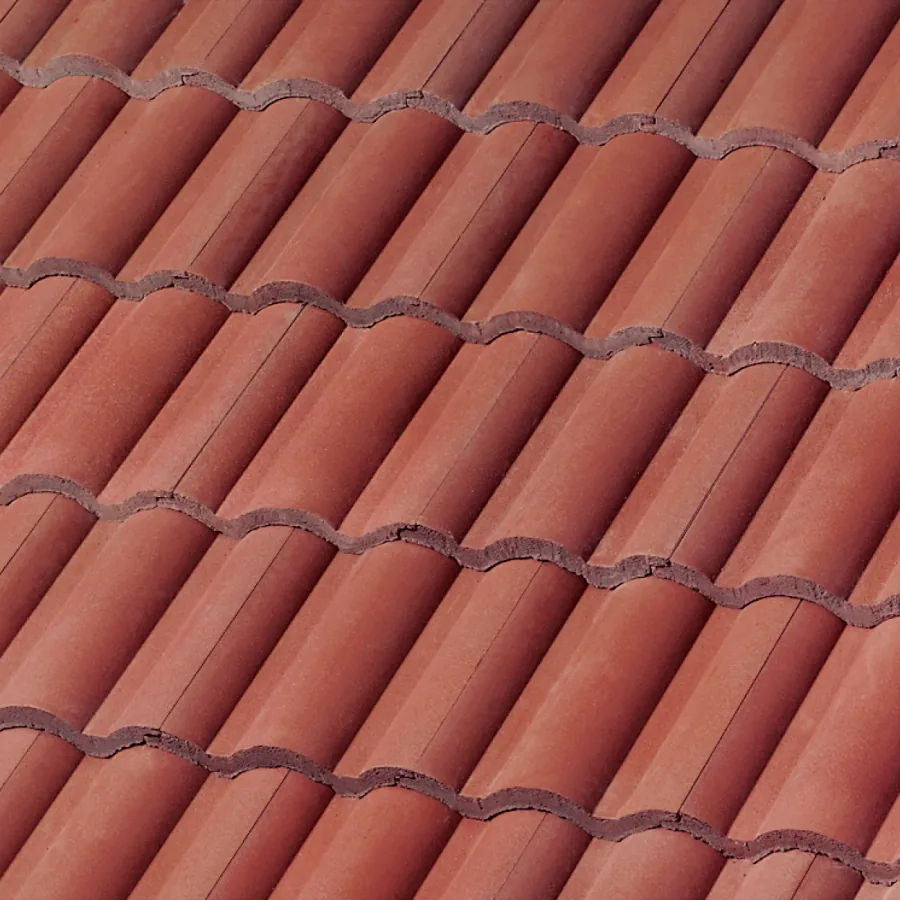
- Newpoint™ Villa 900 concrete tile
- Tile color
- Gold Dust Blend
- Underlayment
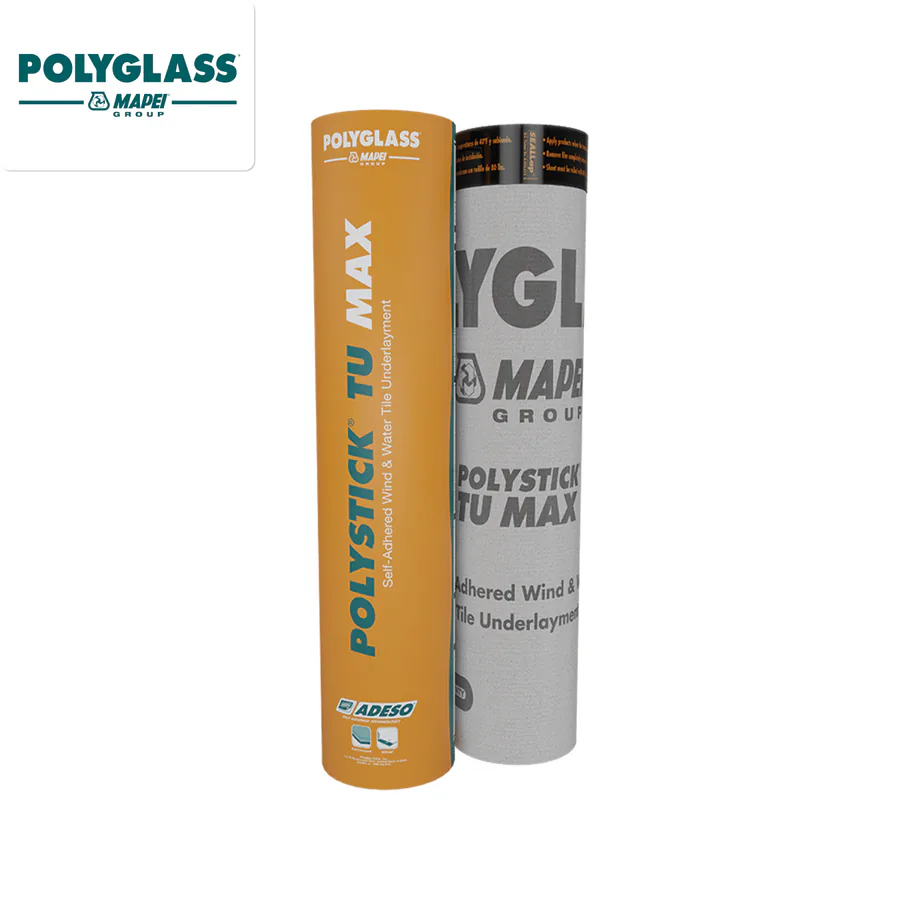
- Polyglass Polystick® TU MAX, direct to prepared deck
- Tile attachment
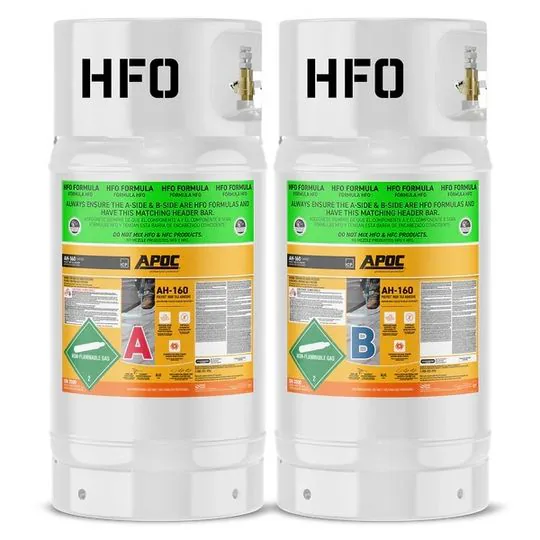
- APOC® Polyset® AH-160 HFO, medium-paddy application
Objective and Existing Roof
A New Tile Assembly Without an Invented Diagnosis
The documented project system uses Villa 900 tile in Gold Dust Blend, direct-to-deck TU MAX underlayment, and AH-160 HFO tile adhesive.
The supplied record does not identify the age, material, or failure condition of the previous roof. It also does not attribute the work to leaks, storms, insurance, or another cause, so this case study makes none of those claims.
Attached-Townhouse Protection
Extra Care at the Neighboring Roof Transition
Because the project roof met neighboring roof sections, the crew protected the shared transition while roofing work was underway. That protection helped keep the work area controlled at the connected boundary.
The supplied photo shows the attached roof geometry after the work. It does not show the temporary protection itself, so no particular tarp, barrier, staging method, or transition detail is inferred from the image.
Documented Roof Assembly
Installation Order From Prepared Deck to Finished Tile
The confirmed layers and materials are listed below in their installation order. Unprovided fastening, pressure, warranty, and approval details are intentionally omitted.
- 01
Existing Roof, Deck Inspection, and Preparation
The supplied system record places TU MAX directly on a prepared roof deck. It does not document how existing roof materials were handled, the deck-inspection findings, any plywood-repair quantity, or a repair condition.
- 02
Polystick TU MAX Direct to Deck
Polyglass Polystick TU MAX was self-adhered directly to the prepared roof deck. No separate felt base layer was identified for this installation.
- 03
Medium-Paddy AH-160 HFO Adhesive
APOC Polyset AH-160 HFO roof tile adhesive was applied using a medium-paddy application before tile placement.
- 04
Villa 900 in Gold Dust Blend
Newpoint Villa 900 low-profile, interlocking concrete tile in Gold Dust Blend formed the finished roof covering.
Deck and Plywood Repairs
No rotted-plywood quantity, repair description, or deck photo was supplied. The article does not claim that plywood was replaced or that no repair was required.
Flat-Roof Sections
No flat-roof assembly was documented for this project. The case study is limited to the sloped concrete tile roof shown in the authentic photograph.
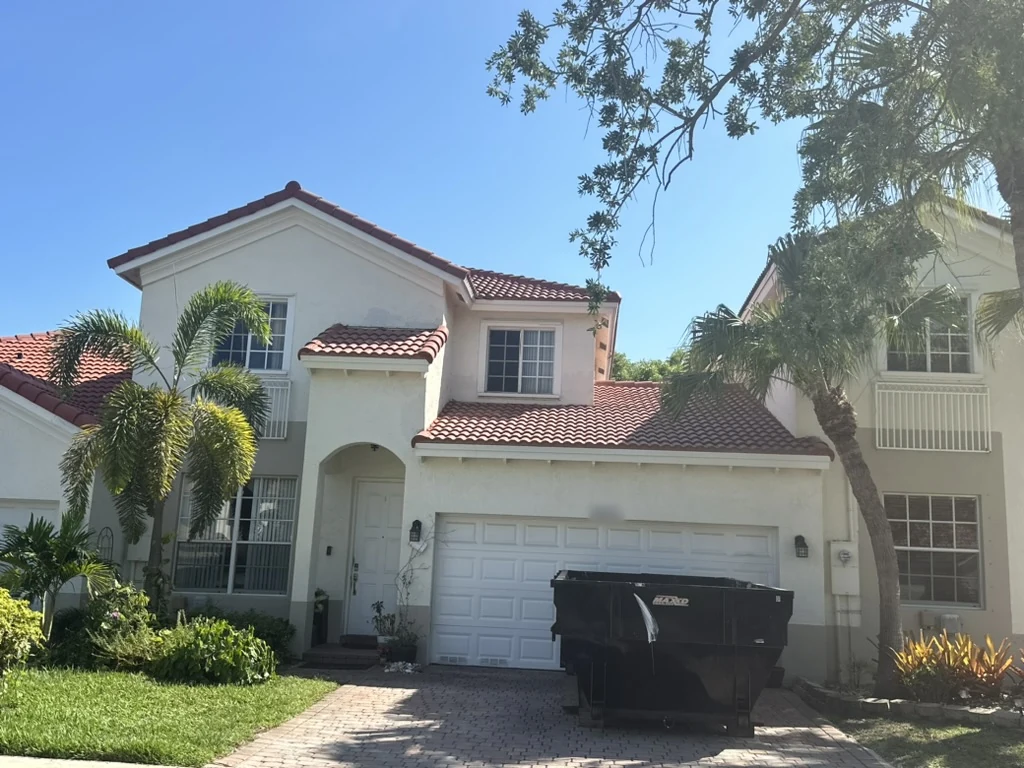
Actual Miramar Project
Finished Tile Roof and Connected Building Geometry
The privacy-reviewed project photograph shows the finished tile roof and the way the townhouse roof connects to neighboring building sections.
This is the only authentic jobsite image supplied for the case study. The full exterior framing is retained, while the visible street number is blurred for privacy. The file was re-encoded without embedded metadata; the roof, materials, workmanship, building, and other project evidence were not altered.
Manufacturer References
Product Images Kept Separate From Jobsite Evidence
These three images are supporting product references. They were not photographed at the Miramar townhouse and are not presented as evidence of packaging, application, or conditions at the jobsite.
South Florida Context
Why This Documented System Fits a Concrete Tile Project
Westlake Royal describes Villa 900 as a low-profile, interlocking concrete roof tile. Polyglass identifies TU MAX as a self-adhered wind-and-water tile underlayment, and APOC identifies AH-160 HFO as a two-component roof tile adhesive for concrete and clay tile.
On this Miramar townhouse, those products were documented in a direct-to-deck, adhesive-set sequence. The shared roofline also made temporary protection at the connected boundary part of the work planning.
Miramar Concrete Tile Roof FAQs
What concrete roof tile was installed on this Miramar townhouse?
The documented roof covering is Newpoint Villa 900 concrete roof tile in Gold Dust Blend. Westlake Royal Building Products describes Villa 900 as a low-profile, interlocking concrete roof tile.
What underlayment was installed beneath the Villa 900 tile?
Polyglass Polystick TU MAX was self-adhered directly to the prepared roof deck. No separate felt base layer was identified for this project, so the assembly is described as direct-to-deck.
How was the concrete tile attached?
The Villa 900 tile was installed with APOC Polyset AH-160 HFO roof tile adhesive using a medium-paddy application. The supplied record does not identify paddy weight, dimensions, contact area, pressure values, or another project-specific attachment calculation.
What required extra care because this was an attached townhouse?
The roof connected to neighboring building sections, so the crew protected the shared roof transition while roofing work was underway. This case study does not claim a specific protection material or boundary detail that was not supplied.
Were rotted plywood or roof-deck repairs required?
No deck-inspection photograph, plywood-repair quantity, or repair description was supplied for publication. This page therefore does not claim that plywood was replaced—or that no repairs were needed.
Did this project include a flat-roof system?
No flat-roof assembly was identified in the supplied project record. This case study is limited to the sloped concrete tile roof shown in the authentic project photograph.
Where in Miramar was this roofing project completed?
This attached-townhouse roofing project was completed in Miramar, FL 33029. The street address and homeowner details remain private.