(754) 714-8445

M&M Roofing Services

Concrete and Clay Tile Roofing

A tile roof is a complete assembly. The tile profile matters, but so do the deck, underlayment, attachment method, flashing, ventilation, and details that manage wind-driven rain.

Tile appearance and roof performance belong in one plan

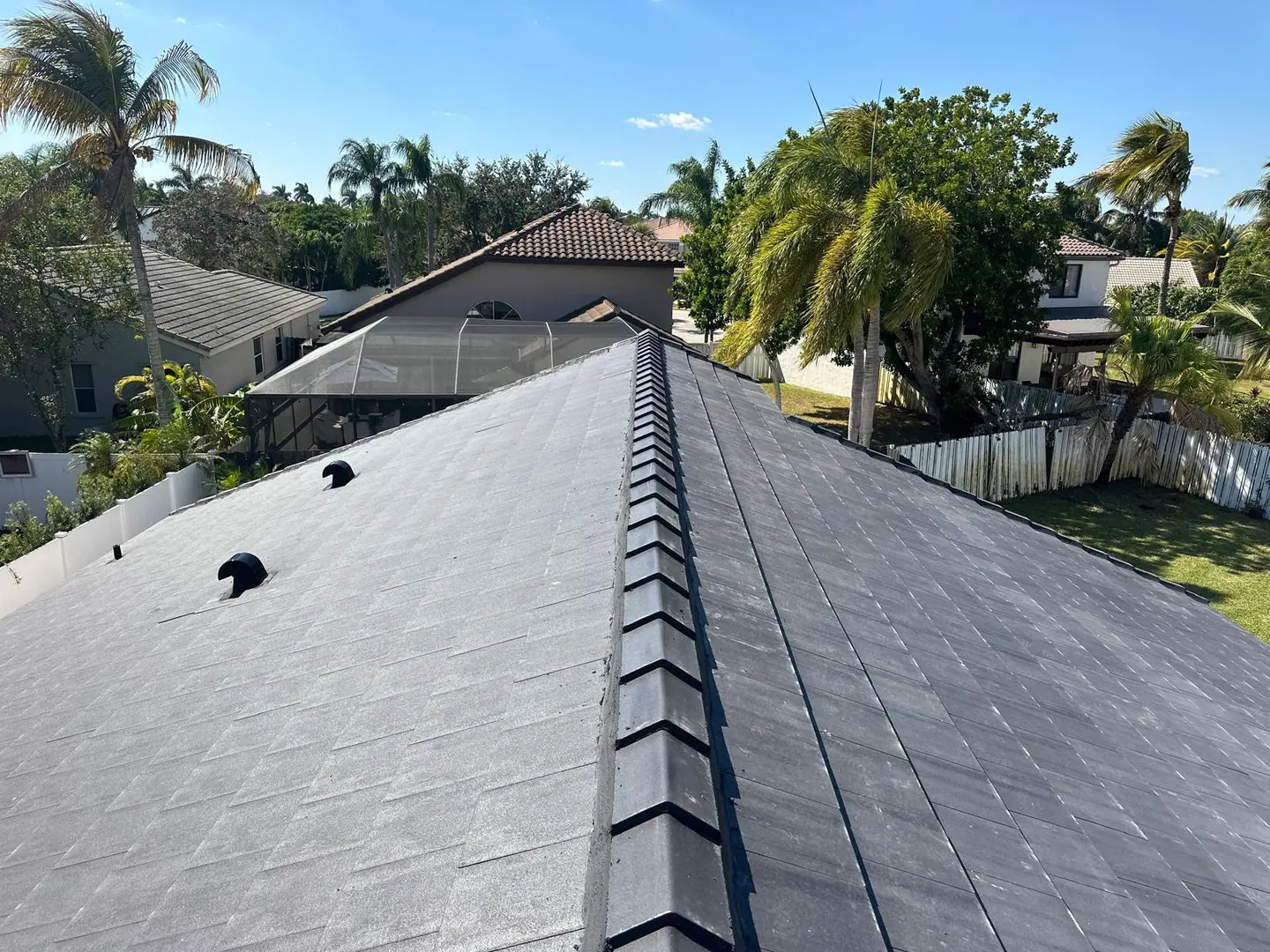
South Florida homeowners often choose tile for its architectural character and the range of profiles and colors available for Mediterranean, contemporary, and traditional homes. Concrete and clay tiles have different appearance, weight, availability, and handling considerations, so the right choice starts with the home rather than a showroom sample alone.

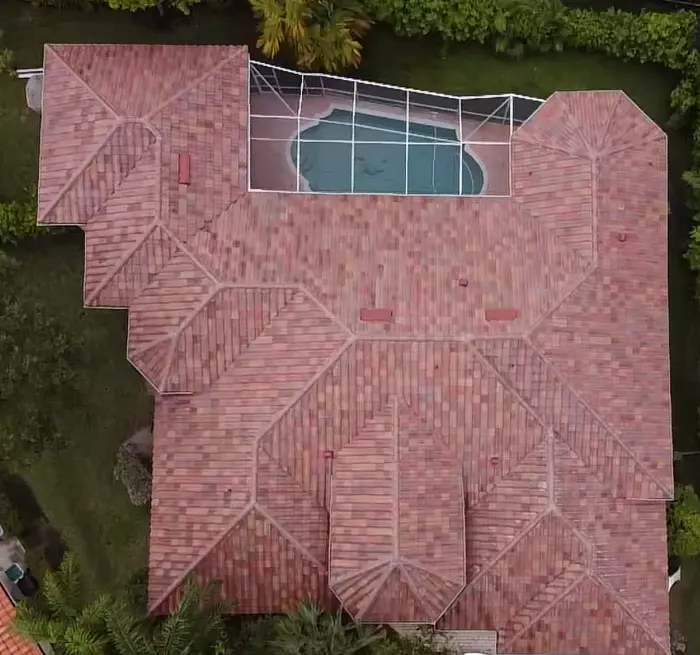
M&M Roofing reviews the existing deck, roof shape, transitions, valleys, penetrations, and edge conditions before proposing a tile assembly. Tile, adhesive or mechanical attachment, underlayment, flashings, and accessories must be compatible with the approved system and installed instructions. HOA color and profile review should also be completed before ordering.

Important tile-roof decisions

Concrete or clay

Compare profile, color range, weight, availability, breakage handling, and the look that best fits the home and community.

Underlayment assembly

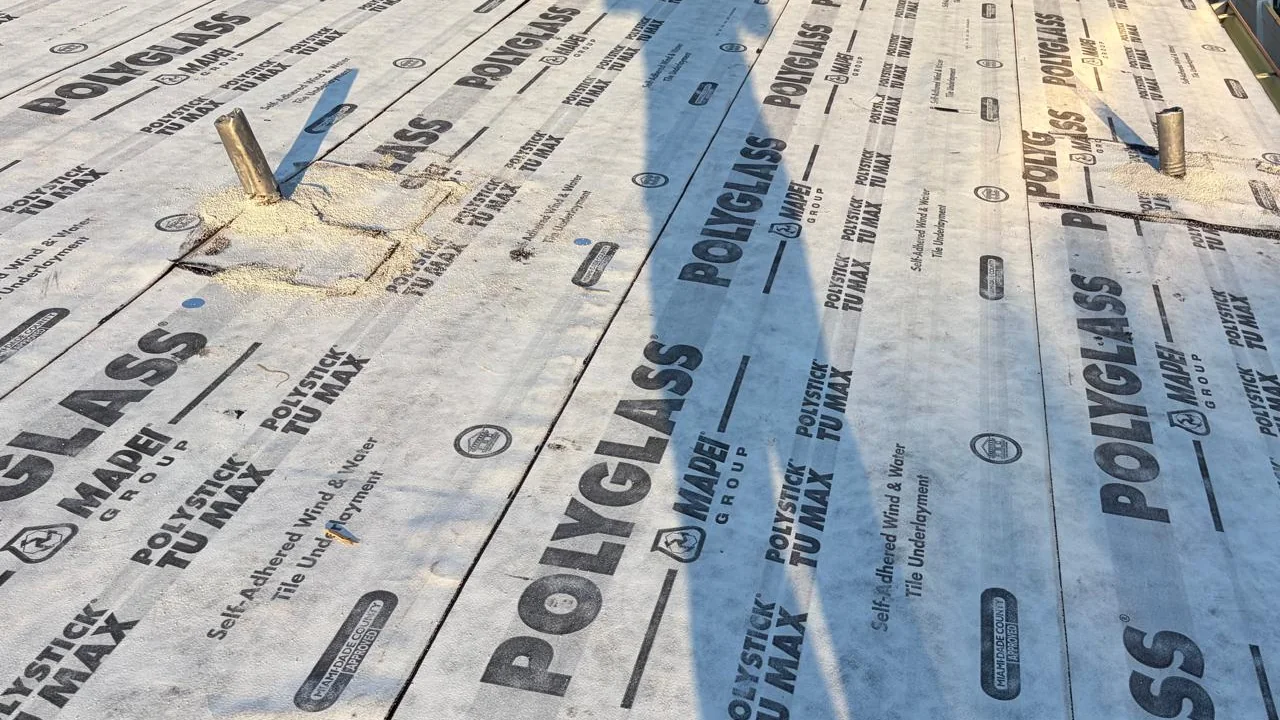
The selected tile system must be paired with an approved underlayment and flashing approach suited to the deck and project scope.

Attachment method

Foam adhesive or mechanical attachment is chosen from the approved assembly, roof design, product instructions, and project requirements.

Matching and availability

Profiles and colors change over time. Replacement planning should confirm availability before assuming an older field tile can be matched exactly.

What a complete tile scope should address

Field tile and accessories

Profile, color blend, hip and ridge pieces, eave details, vents, and other accessories should be identified as part of the ordered system.

Water-management layers

Underlayment, valleys, wall flashings, penetrations, and roof-to-low-slope transitions manage water before it reaches the interior.

Attachment and layout

Approved attachment, starter courses, layout, cuts, headlap, and perimeter details affect both appearance and performance.

Documentation

Keep product approvals, permit records, inspections, color information, and written warranty documents with the property records.

A Typical Project Path

  1. 1. Review the existing roof

    Assess tile condition, underlayment clues, flashing, leak history, roof geometry, access, and visible deck concerns.

  2. 2. Select the tile system

    Confirm profile, color, manufacturer availability, accessories, underlayment, and attachment method before final ordering.

  3. 3. Coordinate approvals

    Prepare permit documentation and give the homeowner the product information needed for any HOA architectural review.

  4. 4. Tear off and prepare

    Remove the existing assembly, document concealed deck conditions, complete approved deck work, and install water-management layers.

  5. 5. Install and inspect

    Lay out and attach tile, complete flashings and accessories, coordinate inspections, clean the site, and organize closeout records.

Tile Roofing FAQs

Is concrete tile or clay tile better?

Neither is automatically best for every home. The decision depends on the desired profile and color, roof design, weight considerations, approved system, availability, budget, and community requirements.

Can a few broken tiles be repaired?

Often they can, if compatible replacement pieces are available and the surrounding underlayment and flashing remain serviceable. Broken tile may also be evidence of foot traffic, movement, impact, or an underlying leak that needs diagnosis.

Does tile alone keep the roof watertight?

Tile sheds most rain and protects the assembly, but the underlayment and flashing details are critical water-management layers. A tile proposal should describe the full system rather than only the visible product.

Can M&M Roofing help with HOA product information?

Yes. We can provide the proposed tile profile and color information for the homeowner's architectural-review submission. Approval rules and submission timing are controlled by the individual association.

Request a Tile Roofing Estimate

Tell us about the property and what you are seeing. We will contact you about the next step.