
2026 homeowner's guide · Metal, tile & shingle
Best Roof for South Florida Homes
The best roof is the system that fits your home. Consider standing seam metal for a lighter covering and clean panel lines, concrete tile for its range of profiles, or asphalt shingles when upfront budget comes first. Your roof slope, structure, exposure and HOA requirements matter more than a blanket material ranking.
By M&M Roofing and Construction Corp · Updated
Get Your Free Roof Estimate
Considering metal, tile or shingles? Tell us about your home and we'll help you compare suitable options.
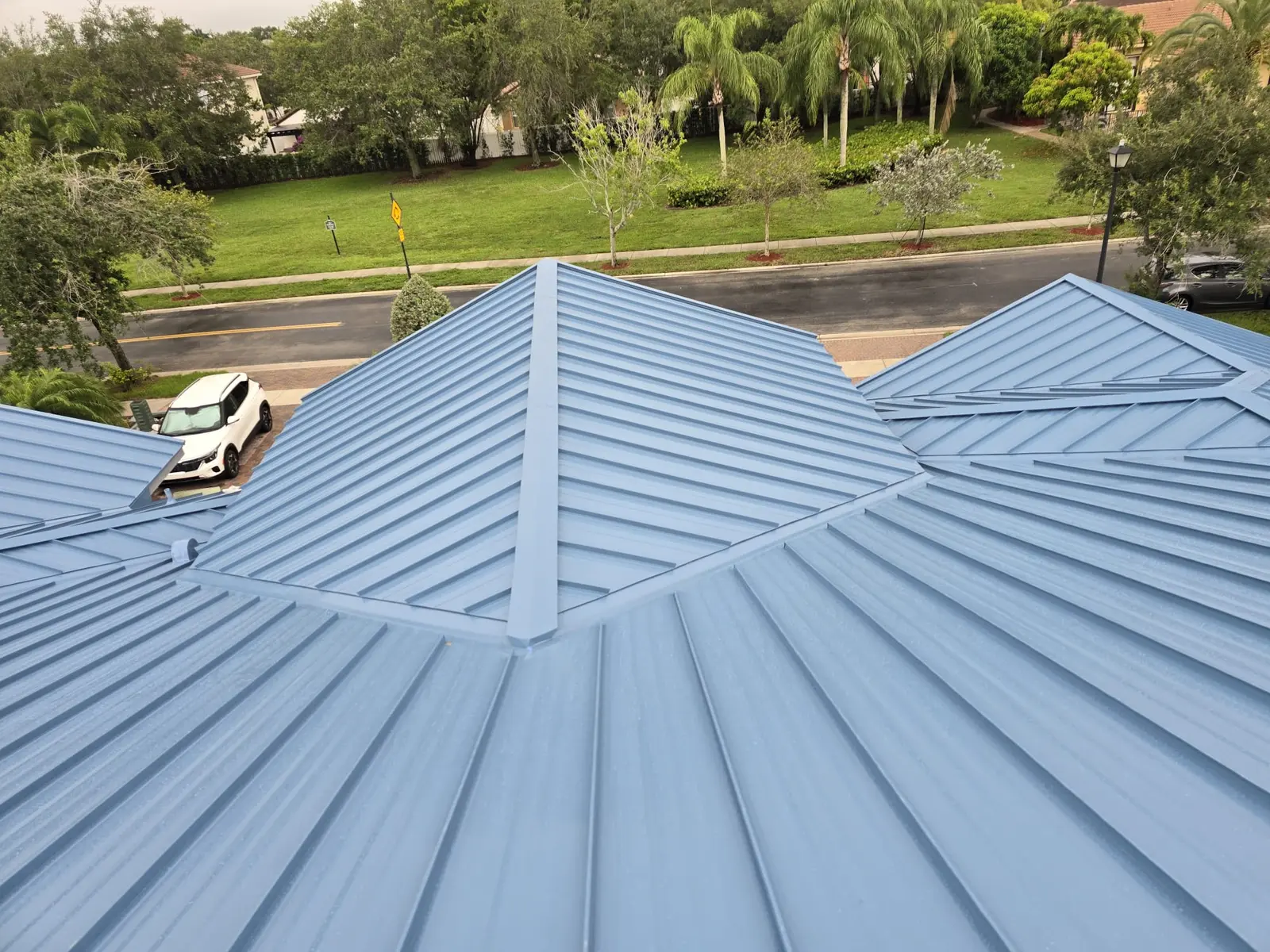
Standing seam metal
Consider it for a lighter covering and clean panel lines.
Regal Blue mechanically seamed metal · Miramar
See this M&M project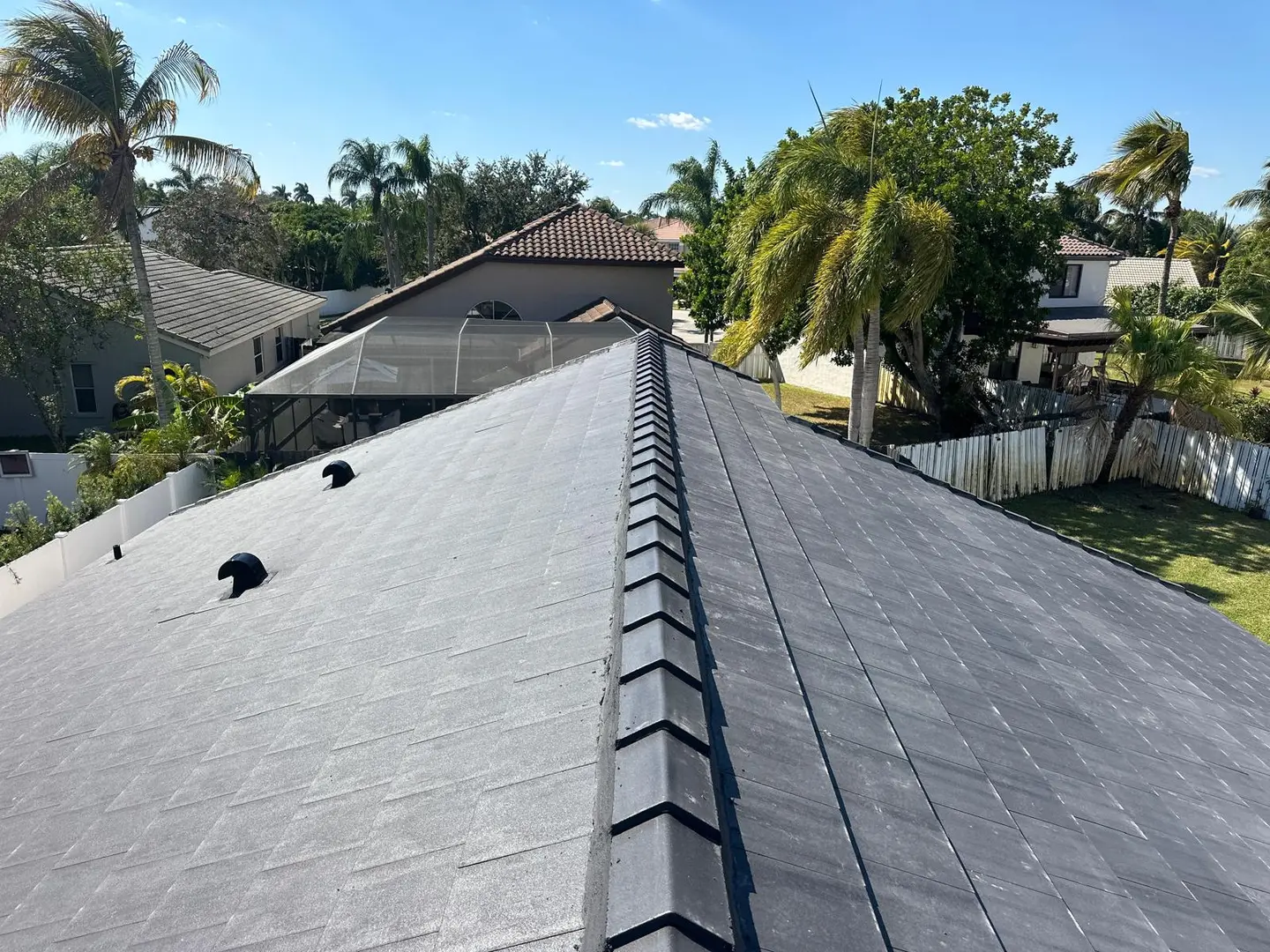
Concrete tile
Consider it for a flat or curved tile profile that suits your home.
Windsor Slate concrete tile · Miramar
See this M&M project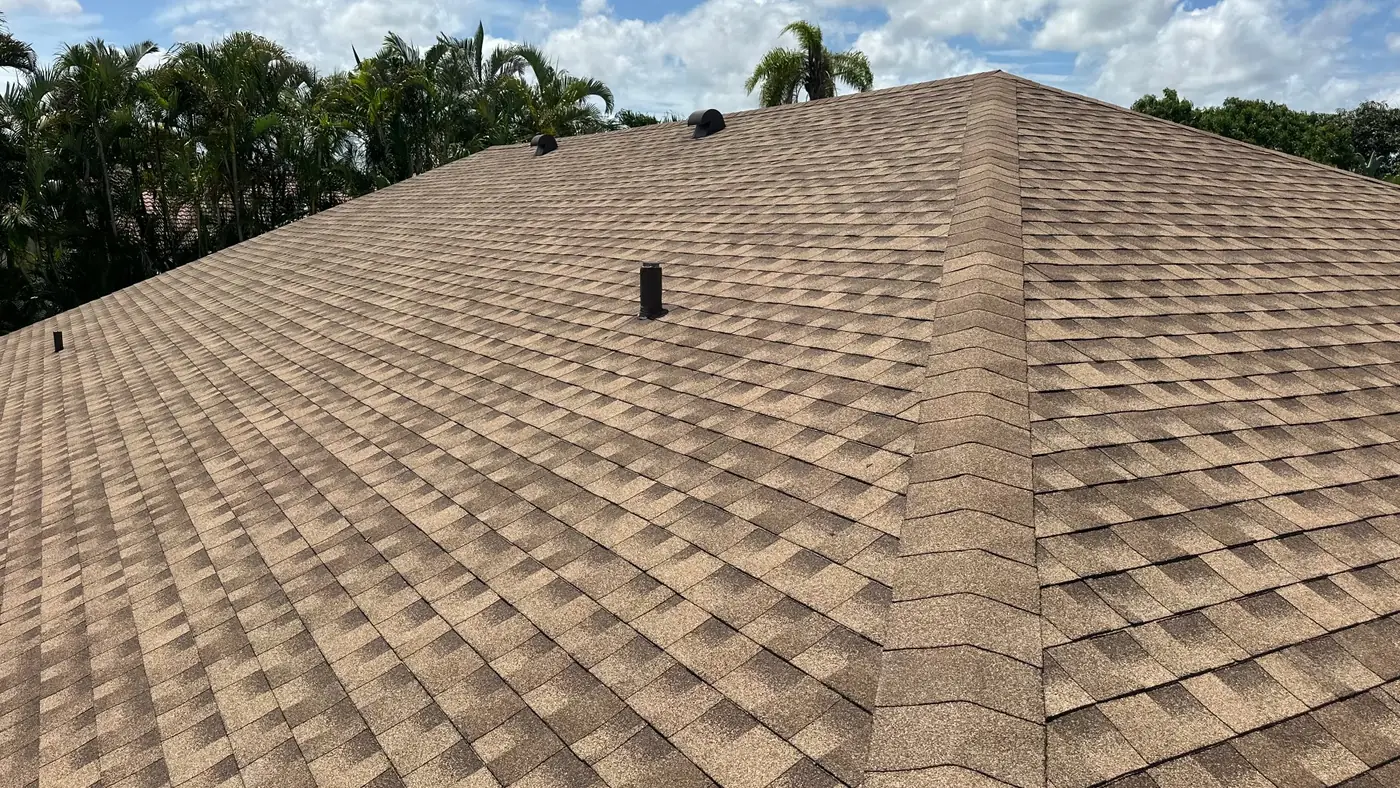
Asphalt shingles
Consider them when upfront budget is a leading priority.
GAF Timberline in Shakewood · Deerfield Beach
See this M&M projectHow do metal, tile and shingle roofs compare?
Start with the tradeoffs you will live with: appearance, initial cost, maintenance and the complete roof system. These comparisons focus on standing seam metal, concrete tile and architectural asphalt shingles on sloped roofs.
| What to compare | Standing seam metal | Concrete tile | Architectural shingles |
|---|---|---|---|
| M&M planning lifespan | 30–50 years | 25–35 years | About 25 years |
| Upfront budget | Often above shingles; metal and tile pricing can overlap. | Profile, underlayment and attachment affect the price. | Usually the lower-cost starting point for a comparable reroof. |
| Appearance | Straight panel lines; compare the seam profile and finish. | Flat, low-profile and curved options; check HOA requirements. | Layered architectural look with several color blends. |
| Covering weight | Generally lighter than concrete tile; check the complete assembly. | Generally heavier; verify structural suitability before a conversion. | Generally lighter than concrete tile; deck condition still matters. |
| Maintenance focus | Coating, corrosion, seams, flashing and penetrations. | Broken or displaced tiles, underlayment, flashing and matching replacements. | Missing or damaged shingles, flashing, attachment and aging. |
Planning estimates, not promises: the lifespans above follow M&M's South Florida lifespan guide. They are not manufacturer warranties or an assessment of your roof. Installation, maintenance, storm damage and exposure can change the timing.
A long-lived tile is not the same as a roof that needs no work.
Tiles can remain usable while underlayment, flashing or other parts need attention. Our lifespan guide uses about 25–30 years as a planning point for tile underlayment, with some roofs needing work sooner. Leaks and the condition of the complete system matter more than how the tiles look. See our tile repair-versus-replacement guide.
Which roof is best for hurricanes and summer heat?
For wind, compare the approved system.
Metal, tile and shingles cannot be ranked for your home by material name alone. The roof geometry, deck, underlayment, flashing and attachment details all belong in the comparison.
Ask your contractor for the applicable product approval and the installation or attachment schedule for your project's wind design pressures. A generic “hurricane-rated” label or miles-per-hour claim does not answer those questions.
Review the Florida Product Approval search and Miami-Dade product-control records with your contractor, including each document's limits.
For heat, compare the actual finish.
Metal is not automatically cooler than every tile or shingle. Solar reflectance and thermal emittance describe how a roof handles sunlight and heat; color, finish and the specific product matter.
Reflective options exist in all three material categories. Insulation, attic conditions and the building itself affect the outcome, so do not assume a particular reduction in your cooling bill.
The U.S. Department of Energy's cool-roof guide (PDF) explains reflective roofing options and the factors that affect savings.
Which roof fits your home and priorities?
Consider standing seam metal for a lighter covering and panel-style appearance.
We often recommend discussing mechanically seamed metal when it fits the home, budget and required assembly. That is a system preference, not a promise that metal will outperform every other roof. Our Miramar tile-to-metal project shows a 24-gauge Regal Blue installation with Polystick XFR underlayment.
Check the panel material, finish, clips, seams and coastal warranty exclusions. Concealed panel fasteners do not make flashing or penetrations maintenance-free. Explore metal roofing and metal colors and samples.
Consider concrete tile when its profile suits your architecture or HOA.
Tile is not limited to a curved Mediterranean look. Our Miramar Windsor Slate project uses a flat-profile concrete tile. Compare the actual profile and color against your home's exterior and association requirements.
Concrete tile is generally heavier than metal or shingles. A change to tile needs a structural suitability review, not an assumption based on appearance. Account for underlayment, attachment, access for repairs and matching replacement tiles. Explore tile roofing or request physical tile samples.
Consider architectural shingles when upfront cost leads the decision.
Shingles are usually the lower-cost starting point for comparable work, with different color blends and a layered appearance. Our Deerfield Beach project documents GAF Timberline shingles in Shakewood with Polystick IR-Xe underlayment.
Compare the selected shingle, attachment requirements, underlayment and written warranty. About 25 years is our planning estimate, not a guarantee; older 3-tab shingles may need attention sooner. Learn about shingle roofing.
See what each option would mean for your home.
Tell us which materials you are considering. We can discuss the roof, the scope and the tradeoffs before you choose.
Get My Free Comparison EstimateHow should you compare roof replacement estimates?
Ask for prices on the same measured roof and scope. A low total may describe a different underlayment, repair allowance or level of included work. Metal and concrete tile prices can overlap.
- Measured roof area, slope, tear-off and disposal—not just the home's living area.
- Named covering, underlayment, flashing and attachment system, with applicable approvals.
- Permits, engineering and HOA submittals: identify what is included and who handles it.
- Plywood and fascia allowances, plus unit prices and authorization for additional repairs.
- Separate workmanship, material and finish warranties, including maintenance and coastal limitations.
- A schedule that separates approvals, material availability, installation and final inspection.
Use our current Broward planning guides for standing seam metal costs, tile costs and shingle costs. They are starting points for a property-specific estimate.
For the process, read what a roof replacement includes and our Broward replacement timeline. A few days of crew work is not the same milestone as a completed final inspection.
How to check the details for your roof
Lifespan figures here are M&M planning guidance. Product approvals, thermal performance and installation requirements should be checked against the exact products and property. The project links show M&M work; they do not establish how a different roof will perform.
- Florida Product Approval search — product records, approval documents and listed limitations.
- Miami-Dade Product Control — applicable assembly and installation documents.
- U.S. Department of Energy: Cool Roofs (PDF) — reflectance, emittance and building-dependent energy benefits.
- Eagle Roofing technical guidance — structural review when changing to concrete tile.
- Eagle Roofing: Underlayment Maintenance — looking beneath the tile covering.
“On-time, on-budget! Absolutely fantastic company;that exceeded all expectations!”
Frequently Asked Questions About South Florida Roofs
What is the best roofing material for South Florida?
There is no single best material for every home. Standing seam metal is worth considering for a lighter covering and clean panel lines, concrete tile for its range of profiles and architectural fit, and asphalt shingles when upfront budget is a leading priority. Roof slope, structure, exposure, HOA requirements and the approved complete system should guide the final choice.
Which roof lasts the longest in South Florida?
M&M's general planning estimates are 30–50 years for standing seam metal, 25–35 years for tile roofs and about 25 years for asphalt shingles. These are not warranties or a prediction for a particular roof. Tile coverings can outlast the underlayment beneath them, and storm damage, maintenance, installation and exposure can shorten any roof's service life.
Is metal roofing better than tile for hurricanes?
A material name alone does not establish hurricane performance. Compare the approved complete roof system, project wind design pressures, roof geometry, deck and attachment details. Neither metal nor tile is automatically the better choice for every property, and a generic wind-speed claim is not a substitute for the applicable installation requirements.
Which roof is best for keeping a South Florida home cooler?
Compare the specific product's reflectance and emittance. Metal, tile and shingles have reflective options; insulation and roof design also affect results. No material guarantees lower cooling bills.
Are shingles cheaper than metal or tile?
Architectural shingles are usually the lower-cost starting point for a comparable reroof, but actual quotes depend on measured roof area, tear-off, repairs, access and the selected system. Metal and concrete tile prices can overlap. Compare written prices for the same scope rather than relying on a material name or the home's living area.
Can I switch from shingles to tile, or from tile to metal?
A material change may be possible, but the roof slope, structure, deck, connections, product approvals and HOA requirements need review. Tile is generally heavier than metal or shingles, so do not assume the existing structure can support it. A lighter replacement still needs the correct attachment and installation details.
What if my home has a flat roof section?
A flat or low-slope section needs a system suited to its slope and drainage. It may require a separate membrane system even when the main roof is metal, tile or shingle. The transition between the two roof areas should be included in the inspection and written proposal.
Can M&M help me compare more than one roof option?
Yes. Request a free estimate and tell us which materials you are considering. M&M can review the property, discuss suitable options and prepare pricing with selected materials, included work and allowances identified. Bring any HOA requirements, roof history and concerns about leaks or maintenance.
Find the Right Roof for Your Home
Tell us the address and the materials you are considering. We'll help you compare suitable options for your structure, roof slope, appearance and budget.
Call (754) 714-8445