
South Florida roof lifespan guide
How Long Does a Roof Last in South Florida?Shingle, Tile & Metal Compared
The quick answer
A starting point for planning your next roof.
- Asphalt shingles
- 25 years
- Concrete or clay tile
- 25–35 years
- Standing seam metal
- 30–50 years
- 5V crimp metal
- 30–50 years
- Flat / modified bitumen
- 15–20 years
For tile, look beneath the surface: underlayment may need attention around 25–30 years, sometimes sooner. These are M&M’s general planning estimates; an inspection determines what your roof needs.
Published July 9, 2026 · Updated
Know where your roof stands
Get Your Free Roof Estimate
Tell us your roof type, approximate age and any concerns. We’ll help you discuss repair or replacement and the next step.
Florida state-certified · CCC1332459
Roof lifespan, by material
Use the age of your roof to plan ahead. Use its condition to decide what happens next.
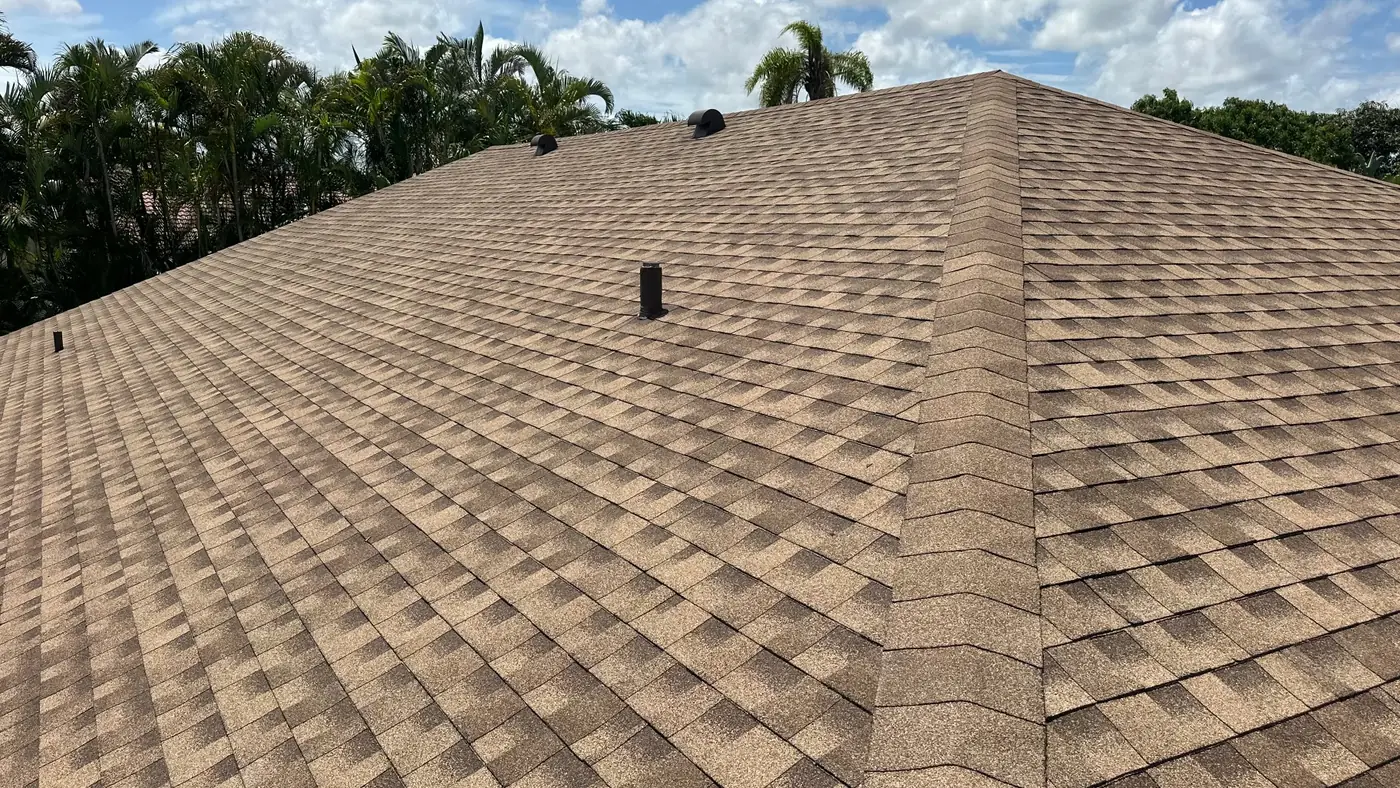
Asphalt shingles
25 years
Older 3-tab shingles may need replacement sooner than architectural shingles. Sun exposure, attic conditions, attachment and storm damage all matter.
What to look for
Curling, missing shingles, exposed areas and recurring leaks. A wind rating does not add a guaranteed number of years.
Explore this Deerfield Beach project →Plan a shingle replacement budget →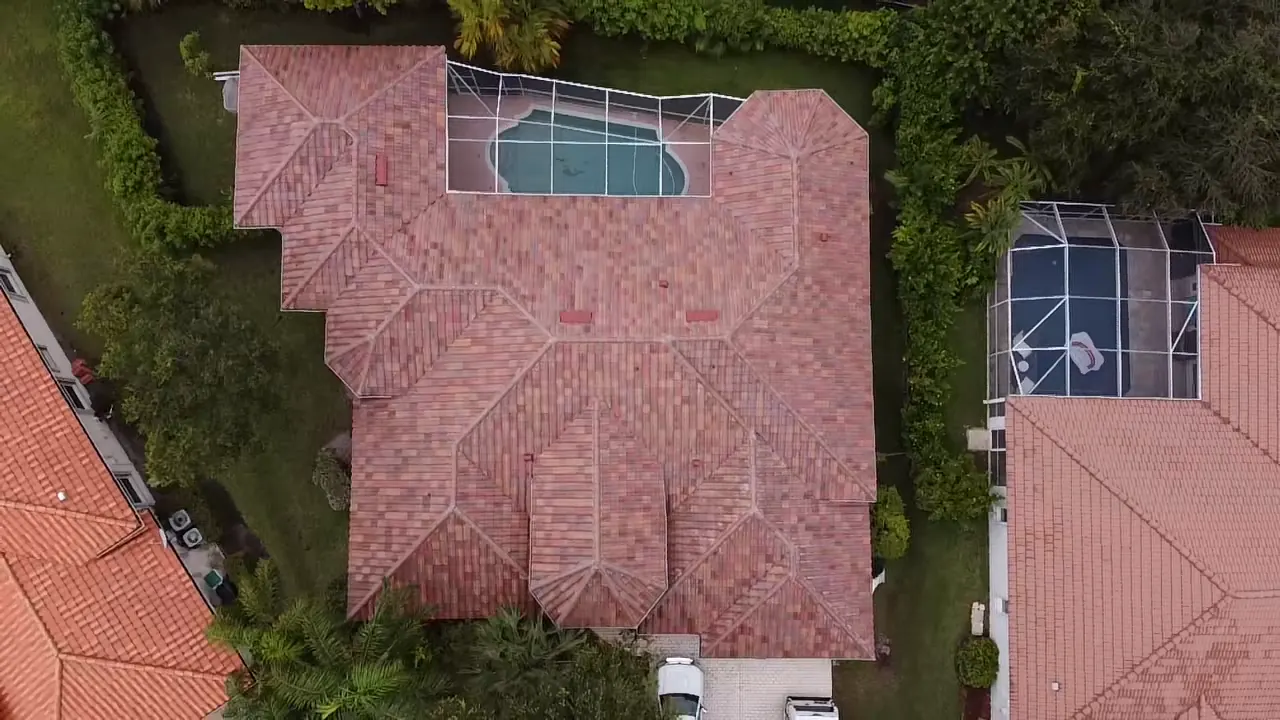
Concrete & clay tile
25–35 years
The visible tiles may outlast the roof’s waterproofing. Plan for the underlayment to need attention around 25–30 years, while recognizing that some roofs need work much sooner.
What to look for
Broken or displaced tiles, valley leaks and stains that return after repairs. Intact tiles alone do not prove the roof is sound.
See the layers beneath the tile →Plan a tile replacement budget →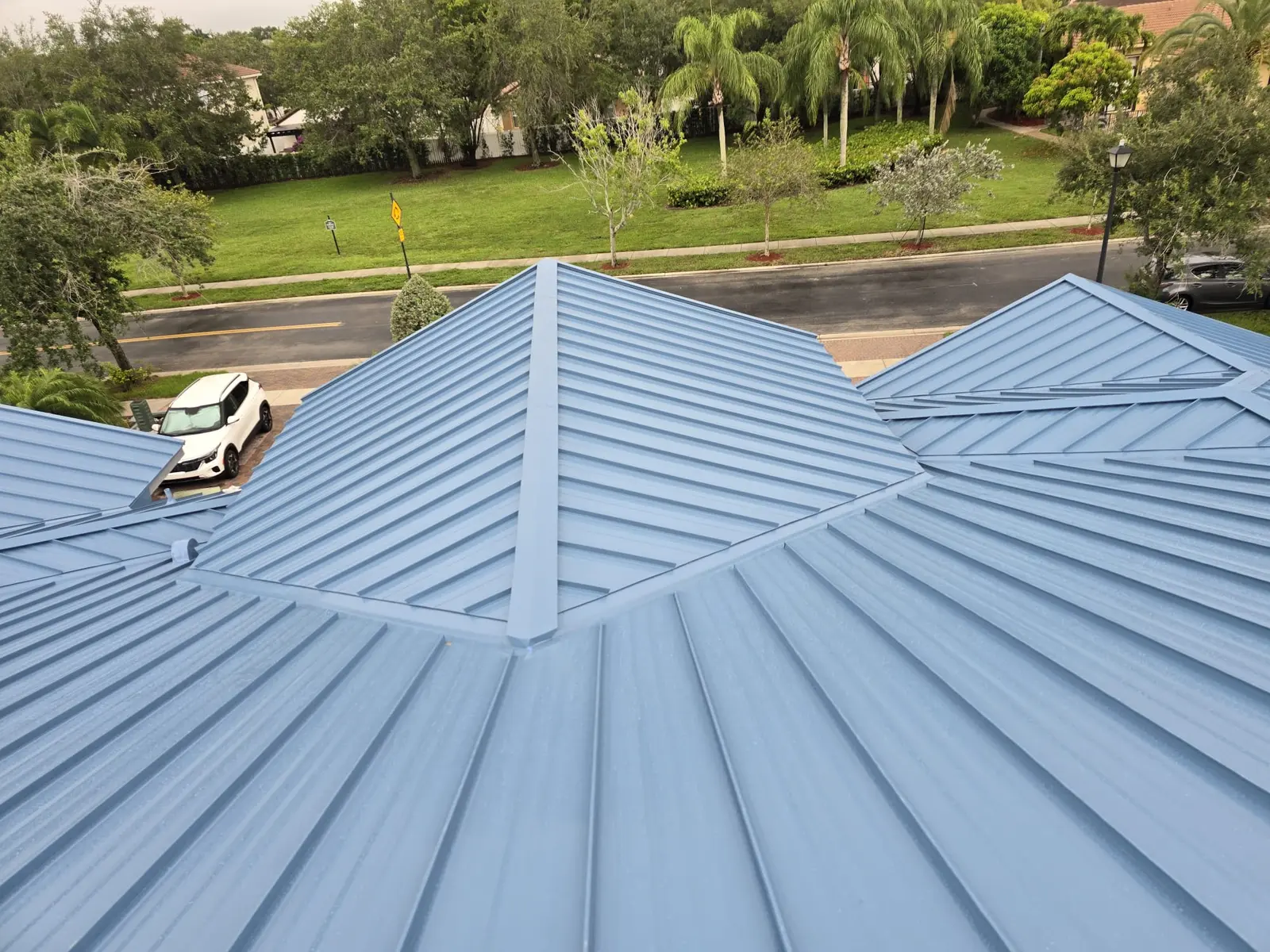
Standing seam metal
30–50 years
A suitable metal system can serve for decades. Panel metal, coating, coastal exposure, clips, seams and flashing influence how well it ages. Our 5V crimp planning range is 30–50 years.
What to look for
Corrosion, damaged finishes, lifted panels and leaking connections. Exposed-fastener systems also need their fasteners and seals checked.
See our mechanically seamed system →Plan a standing seam budget →Flat / modified bitumen
15–20 years
Watch drainage, seams, penetrations and transitions into sloped roofing. “Flat roof” describes a roof shape, not one material; TPO, built-up and modified-bitumen systems have different details. Explore flat-roof options →
These ranges reflect the planning guidance used in this article and are not manufacturer warranties. Published estimates vary by climate and system. A roof inspection helps evaluate condition; it cannot promise an exact failure date.
The tile can look fine. The layers below may not be.
This is the distinction that matters most when you ask how long a tile roof lasts.
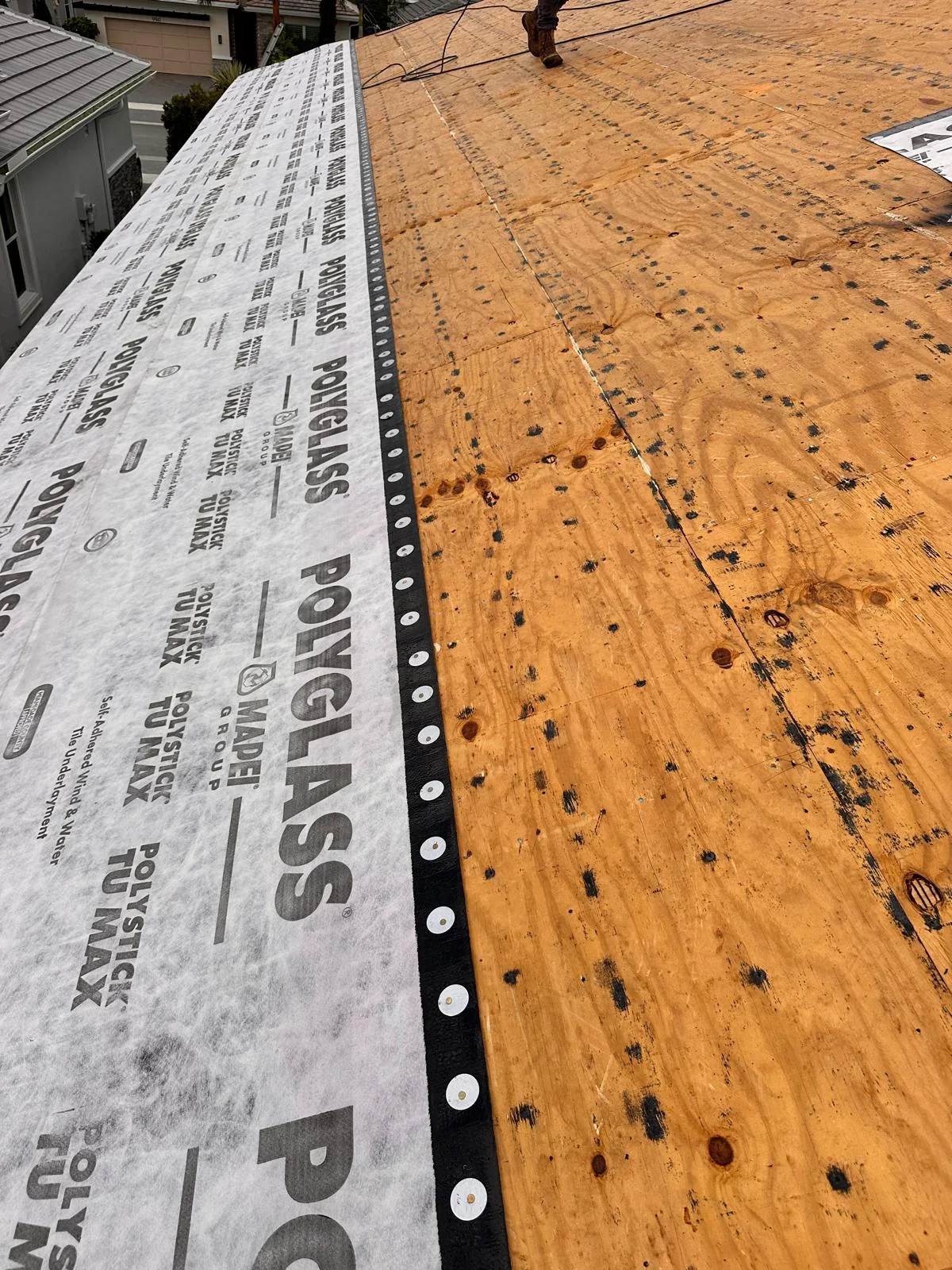
Think about the complete roof
Tile is only the outer covering. Underlayment, flashing, roof penetrations, attachment and the wood deck work together to manage water and protect the home.
That is why a tile’s potential material life is different from the number of years you can leave the whole roof untouched. Eagle Roofing recommends checking the underlayment during maintenance or repairs to understand how the roof is performing.
- Review leak history and any previous repairs.
- Check valleys, flashing and penetrations—not only broken tiles.
- Ask which underlayment is installed and what its condition shows.
A tile lift-and-relay may be possible, but tile condition, breakage, matching replacements and labor need to be evaluated first.
Read our tile repair vs. replacement guide →An older tile roof deserves a closer look.
Tell us about its age and any leaks so we can discuss the right next step.
Why two roofs the same age can perform differently
South Florida weather is part of the story. Installation, drainage and maintenance complete it.
Sun & heat
Long periods of heat and UV exposure age roofing materials. The roof covering and attic conditions both deserve attention.
Wind & storms
A storm can cause isolated damage long before a roof reaches its expected age. Loose covering and damaged details need prompt evaluation.
Salt & standing water
Coastal exposure can affect metals and finishes. Debris, blocked drainage and water that lingers can create trouble at vulnerable details.
Installation & upkeep
Good materials depend on a compatible, correctly installed system. Addressing a small defect early can help prevent more extensive damage.
Keep small issues from becoming large repairs
- Check from the ground after severe weather; arrange a professional review if you see damage.
- Keep drainage paths clear and have debris removed safely.
- Investigate new stains and leaks promptly instead of waiting for the next rainy season.
- Keep inspection photos, repair records and warranty documents together.
Have a qualified professional handle roof access. For a replacement, compare the full roof assembly and the installer’s experience—our Fort Lauderdale contractor checklist explains what to ask.
Repair, keep monitoring, or plan a replacement?
A birthday alone does not decide. The extent of the problem and the condition around it do.
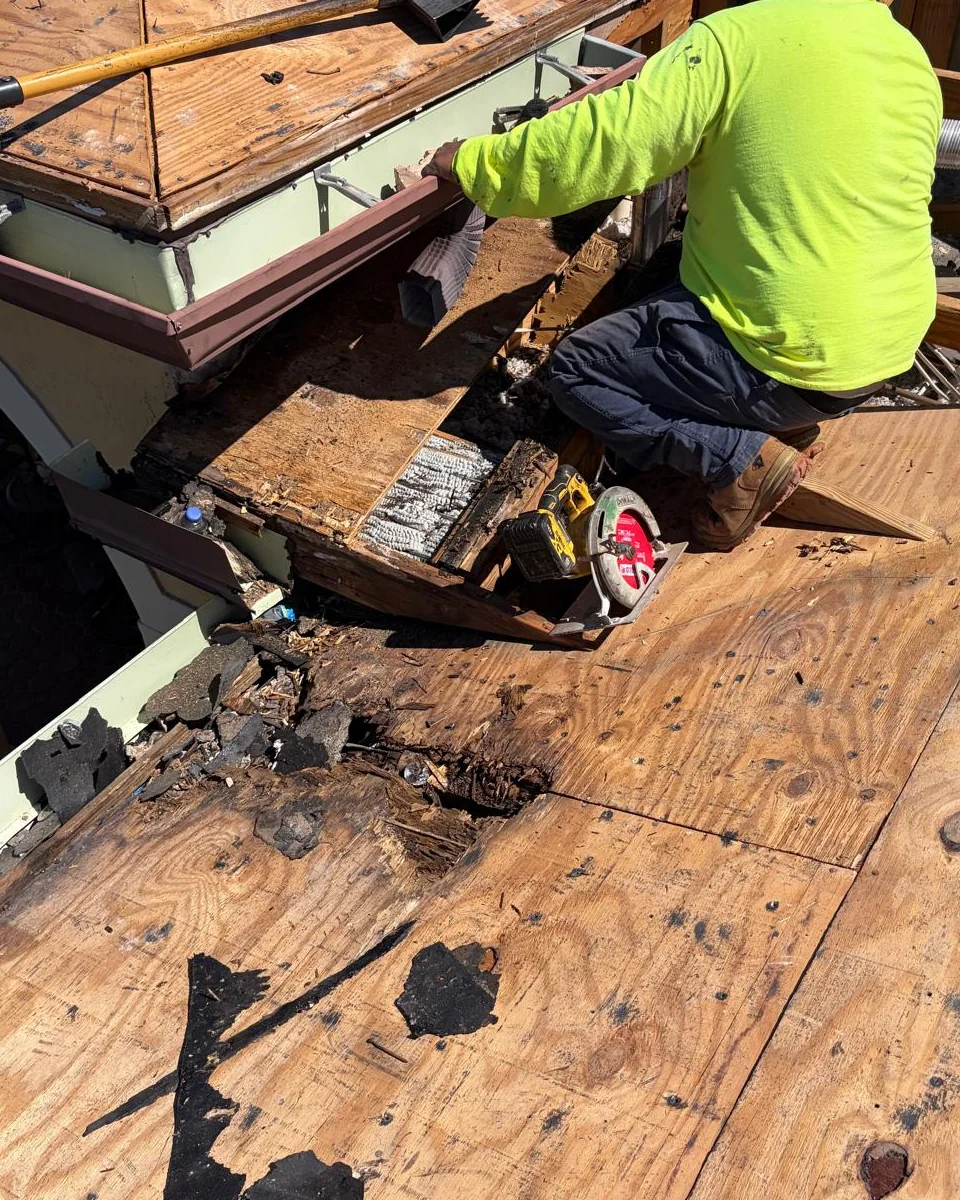
Keep monitoring
No active issue has been identified and the roof is performing well. Keep records and follow the inspection and maintenance plan appropriate for the system.
Discuss a targeted repair
The defect is localized and the surrounding roof is in serviceable condition. Ask what caused the issue and what the proposed repair will address. Explore our roof repair services and how we define a targeted scope.
Plan for replacement
Leaks recur, deterioration is widespread, or repeated repairs no longer make practical sense. Compare the full scope, wood allowances and material options.
Planning your next roof? Compare more than years.
Balance the complete system, appearance, upfront cost, maintenance and how long you expect to own the home.
See what is included in a roof replacement, review the Broward project timeline, or explore financing information.
“On-time, on-budget! Absolutely fantastic company;that exceeded all expectations!”
Your roof lifespan questions, answered
How long does a roof last in South Florida?
M&M’s general planning ranges are 25 years for asphalt shingles, 25–35 years for concrete or clay tile roofs, 30–50 years for standing seam metal, 30–50 years for 5V crimp metal, and 15–20 years for modified bitumen. These are estimates, not warranties or a diagnosis of your roof. Storm damage, installation, maintenance and the condition of the layers beneath the covering can change the timing.
How long does a shingle roof last in Florida?
Use about 25 years as a planning estimate for a South Florida shingle roof. Older 3-tab shingles may need replacement sooner than architectural shingles. A wind rating or a lifetime limited warranty does not promise a particular number of years of service.
How long does a tile roof last in South Florida?
Our planning range is 25–35 years for a tile roof, with underlayment work often becoming a consideration around 25–30 years. The tiles can outlast the waterproofing beneath them. Actual replacement timing depends on the underlayment, flashing, attachment, deck and leak history, not just the appearance of the tiles.
How long does a metal roof last in Florida?
Our planning ranges are 30–50 years for standing seam metal and 30–50 years for 5V crimp. These assume a suitable system and proper care. Coastal corrosion, coating condition, fasteners, flashing and installation details can shorten service life considerably.
Does a roof automatically need replacement at 20 years old?
No. Age is a reason to review condition and plan ahead, not an automatic diagnosis. A localized repair may be appropriate if the surrounding system is sound; recurring leaks or widespread deterioration may justify replacement. Insurance requirements are a separate question to review with your insurer.
Can a 15–20-year-old roof affect my insurance?
As your roof approaches 15–20 years, review your coverage and renewal requirements with your insurance agent. Older roofs can mean higher premiums or requests for an inspection, repairs or replacement, depending on condition and the insurer. Florida provides protections against refusal solely because of roof age, including an inspection opportunity for roofs 15 years or older. An authorized inspection showing at least five years of useful life remaining can protect against an age-only refusal to issue or renew. Replacement does not guarantee a lower premium.
Can you replace the underlayment and keep the existing tiles?
Sometimes, but a lift-and-relay needs a project-specific assessment. Tile condition, breakage during removal, matching replacements, attachment requirements and labor can affect whether reuse is practical. Do not assume every existing tile can be reused or that the work adds a guaranteed number of years.
What are the signs that my roof needs attention?
New ceiling stains, repeated leaks, missing or broken roofing, lifted metal panels, corrosion, damaged flashing, sagging and water that does not drain are reasons to arrange an inspection. Have roof access and close-up checks handled by a qualified professional.
Plan with a clearer picture
Let’s talk about the roof you have.
Share your roof type, age and concerns. M&M Roofing and Construction Corp can help you discuss the work and prepare for your next step.
Get My Free Roof EstimateExplore our replacement process