
ICP AH-160 vs. DuPont Tile Bond: Which Roof Tile Foam Is Stronger?
Compare published wind-attachment results for APOC Polyset AH-160 and DuPont Tile Bond on flat, medium and high-profile concrete roof tiles.
By M&M Roofing and Construction Corp · Florida Certified Roofing Contractor CCC1332459 · Published · Updated
Get a free tile roof estimate
Compare tile, waterproofing and attachment options for your South Florida home.
The short answer
AH-160 reached the highest published result in our three-tile comparison: 119 ft-lbf with a single 45 g foam paddy on Lake Wales Saxony 900. Tile Bond had the highest two-paddy result for these two products on all three tiles, with values of 58 to 67 ft-lbf in its independent pattern. The winner changes with the setup. The right choice for your roof is an approved attachment that meets the wind demand in each roof zone.
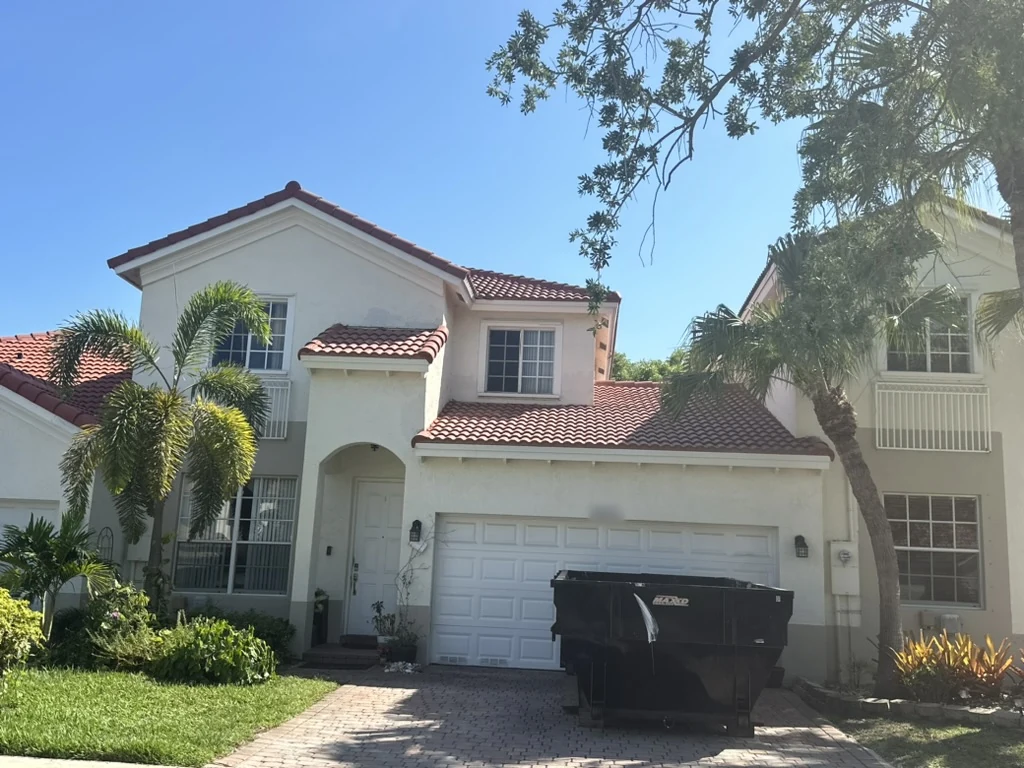
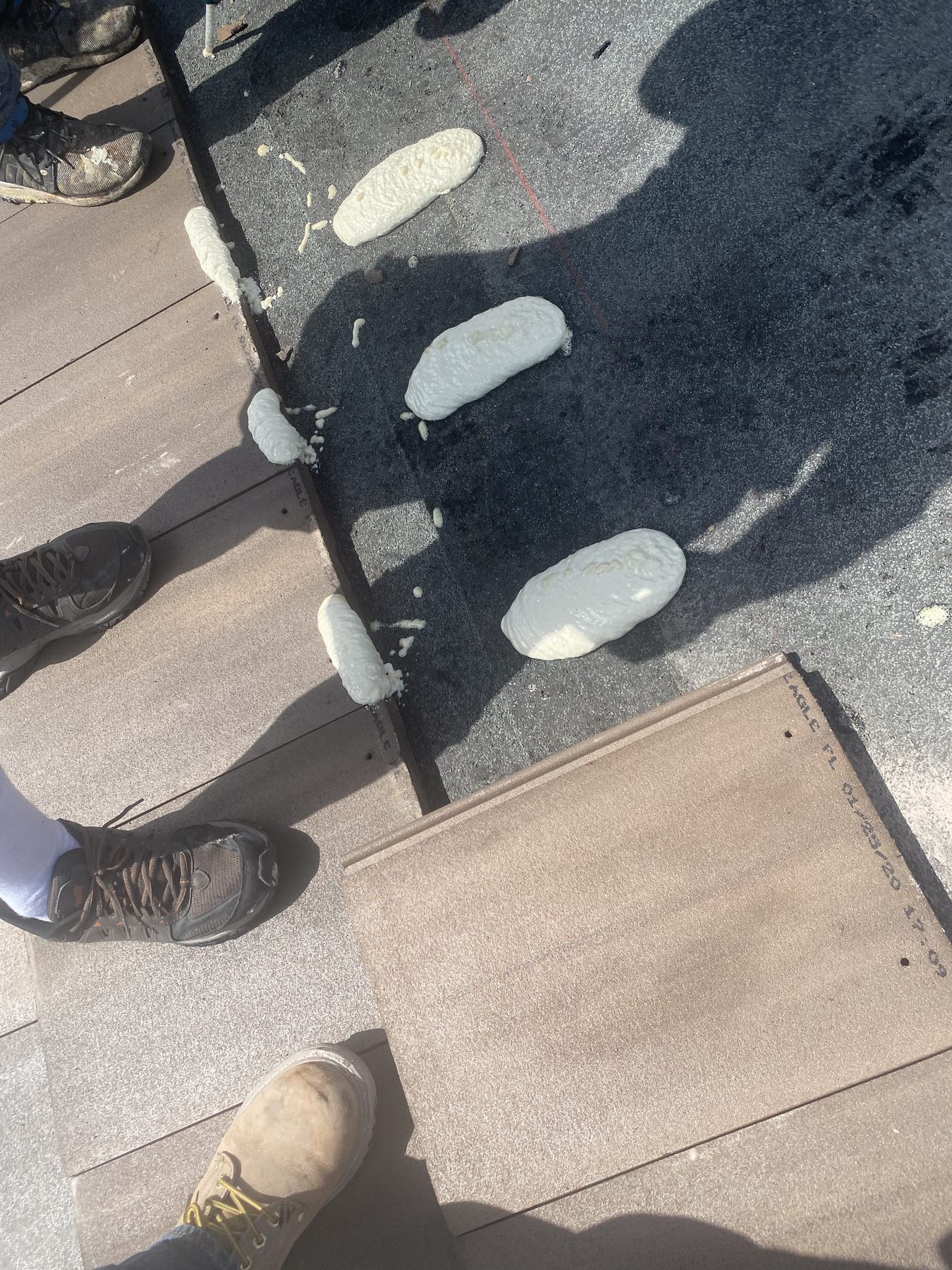
Two tile foams with different ways of going on the roof
Once a tile roof is finished, you can see the tile but you can’t see what holds it down. A foam-set roof uses paddies, or measured patches of adhesive, to secure the tile. When wind tries to lift a tile at its edge, the attachment resists the tile turning up. The Miami-Dade notices of acceptance (NOAs) report that resistance as an attachment moment, measured in foot-pounds (ft-lbf).

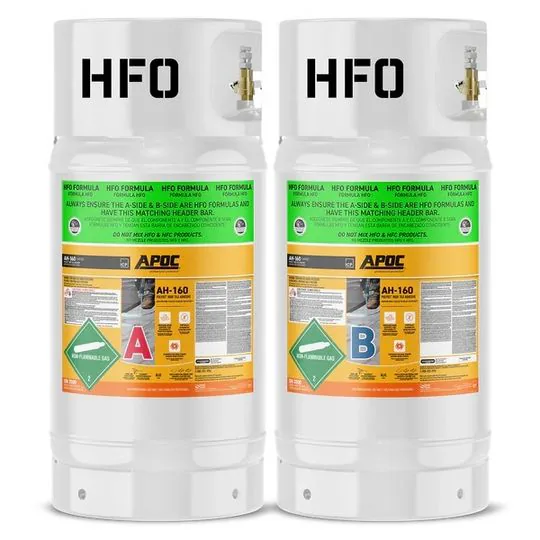
ICP / APOC Polyset AH-160
A two-component polyurethane foam. The two parts mix as the crew dispenses the adhesive. The component approval specifies trained applicators and equipment calibration. The tile tables distinguish HFC / HFO1 rows from HFO2 rows. AH-160 component approval (opens in a new tab)

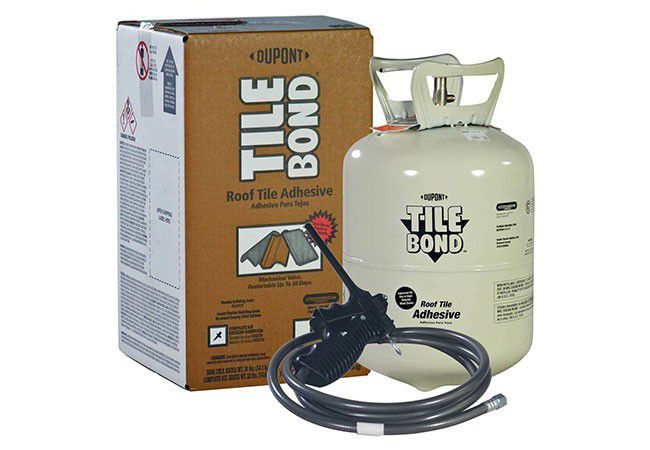
DuPont Tile Bond
A one-component polyurethane foam that cures with moisture. It comes ready to dispense, so there’s no two-part mix ratio to calibrate. The application still has to match the approved foam placement and contact area. Tile Bond component approval (opens in a new tab)
Read our full Tile Bond review and see its placement patterns
AH-160 reaches the highest listed attachment values
The largest listed single-paddy AH-160 entry in each of these tile approvals exceeds the highest listed Tile Bond entry for that tile. The biggest gap is on Saxony 900 Slate, where the 45 g AH-160 row reaches 119 ft-lbf and the highest Tile Bond row reaches 65 ft-lbf.
Highest listed result for each foam
For each tile, the highest AH-160 row uses one paddy and the highest Tile Bond row uses two.
Published tile attachment moment (ft-lbf) · Higher means more resistance to lifting and turning
The same Saxony table also lists 60 ft-lbf for a smaller, 18 g AH-160 single paddy, below the 65 ft-lbf Tile Bond row. The reviewed single-paddy tables contain no Tile Bond entries. Taken together, the tables compare specific ways of attaching tiles. They leave open which foam would produce the stronger bond at equal amount, placement and contact area. Saxony 900 NOA, Table 6 (opens in a new tab)
If your contractor is quoting a third product, our five-foam comparison also covers APOC RTA-1, DAP StormBond and DAP StormBond 2.
Tile Bond leads the two-paddy comparison
We pulled both products’ entries from the same Miami-Dade tile approval for each of three Westlake profiles. Tile Bond’s independent pattern leads this set at 65 ft-lbf on Saxony, 67 on Villa and 58 on Barcelona. An interdependent pattern also bonds one tile to its neighbor at the overlap. That change can affect the result even when the tile and foam brand stay the same.
Two-paddy results by tile
All two-paddy rows for these two products in the three tile approvals.
Published tile attachment moment (ft-lbf) · Higher means more resistance to lifting and turning
Barcelona shows how the order can flip. In the two rows that bond at the overlap, AH-160 HFO2 is listed at 45 ft-lbf and Tile Bond at 19 ft-lbf. Tile Bond’s separate independent row leads both at 58. The foam amounts and contact areas differ across those rows. Barcelona 900 NOA, Table 5 (opens in a new tab)
The amounts on the chart are how the tile tables describe the entries. Some differ from the generic minimums in the adhesive approval, including the 8 g AH-160 entries. The tile tables point back to the adhesive approval for installation. The contractor should reconcile both documents for the exact formulation and layout before specifying it. AH-160 component approval, Table 1 (opens in a new tab)
What to look for in your tile roof proposal
The best comparison for a Broward or Miami-Dade home starts with the exact roof tile and the wind-uplift demand for the job. Corners and edges can need more resistance than the field of the roof. A tile roof replacement proposal should make it clear what will be installed and how the system meets those demands.
- Identify the tile. Get the exact model, manufacturing plant and applicable tile approval. A flat Saxony 900 Slate and a high-profile Barcelona 900 can give different figures with the same foam.
- Ask which attachment layout the quote includes. Ask for the adhesive, formulation and approved placement. Have the roofer explain how it meets the required resistance in the field, at edges and at corners.
- Check the deck and underlayment. Ask for the compatible underlayment, how it will be fastened or adhered and how the flashings will handle water under the tiles.

On our Villa 900 townhouse project in Miramar, the specified materials included AH-160 and Polyglass Polystick TU MAX underlayment. The project shows how the tile, foam and waterproofing come together on a real roof. The chart figures come from the county tile-assembly tables.
Frequently asked questions
Which foam has the highest listed wind-attachment resistance here?
APOC Polyset AH-160 has the highest individual result in the three approvals we reviewed. The Lake Wales Saxony 900 table lists 119 ft-lbf for a single 45 g paddy in the HFC / HFO1 row. Tile Bond’s independent pattern has the highest two-paddy result of these two products on each of the three tiles. Those conclusions apply to the listed assemblies.
Does the 119 ft-lbf result mean a 119 mph wind rating?
Foot-pounds measure how much turning effect the specified tile attachment resists. Wind speed is measured in miles per hour. Roof height, exposure, slope, tile profile and roof zone all affect the demand the attachment must meet.
Can either foam be used in Broward or Miami-Dade?
Both products have Miami-Dade component approvals for the High Velocity Hurricane Zone. Your roofer still has to confirm the formulation, tile approval, underlayment, deck and exact attachment layout for the roof. The component approval works together with those documents and the roof’s required wind resistance.
Can I swap Tile Bond for AH-160 if both are on the same tile approval?
A substitution changes the attachment design. Have the contractor verify the exact formulation, amount, placement and resistance for the replacement system and update the permit documents if required. A tile approval can list several different ways to attach the same tile.
Does the foam waterproof the roof?
The foam secures the tiles. Underlayment and flashing handle water that gets past them. Ask for the specific underlayment in your proposal and how the roofer will detail valleys, penetrations and roof transitions.
How do I compare two estimates that name different foams?
Ask each roofer for the tile model, plant and approval number, adhesive and formulation, underlayment, and attachment layout by roof zone. Then ask which listed attachment moment each setup provides and how it meets your roof’s wind-uplift demand.
Sources checked November 19, 2026
- Miami-Dade NOA 24-1008.12 · Westlake Saxony 900 Slate (opens in a new tab)Lake Wales, FL. Two-paddy rows in Table 5, page 6. Single-paddy rows in Table 6, page 7.
- Miami-Dade NOA 26-0602.02 · Westlake Villa 900 (opens in a new tab)Lake Wales, FL. Two-paddy rows in Table 5, page 6. Single-paddy rows in Table 6, page 6.
- Miami-Dade NOA 24-1008.13 · Westlake Barcelona 900 (opens in a new tab)Lake Wales, FL. Two-paddy rows in Table 5, page 6. Single-paddy rows in Table 6, page 7.
- Miami-Dade NOA 23-0614.01 · APOC Polyset AH-160 (opens in a new tab)Installation conditions and formulation names on page 5. Generic minimum weights and contact areas in Table 1 on page 6.
- Miami-Dade NOA 26-0306.01 · DuPont Tile Bond (opens in a new tab)Installation conditions on page 4 and diagrammed placement details on pages 6–7.
- APOC · Polyset AH-160 HFO product information (opens in a new tab)Product identity, original packaging and two-component polyurethane format.
- DuPont · Tile Bond product information sheet (opens in a new tab)Product identity, packaging and one-component, moisture-cured polyurethane format.
Figures are transcribed from the linked tile approvals. The charts cover three Lake Wales concrete-tile assemblies. Product approvals can be revised, and the permit design must use the documents for the tile and materials actually being installed.
Planning a tile roof replacement?
Tell us about your home. We’ll review the tile, waterproofing and attachment options as part of your estimate.
Call (754) 714-8445